
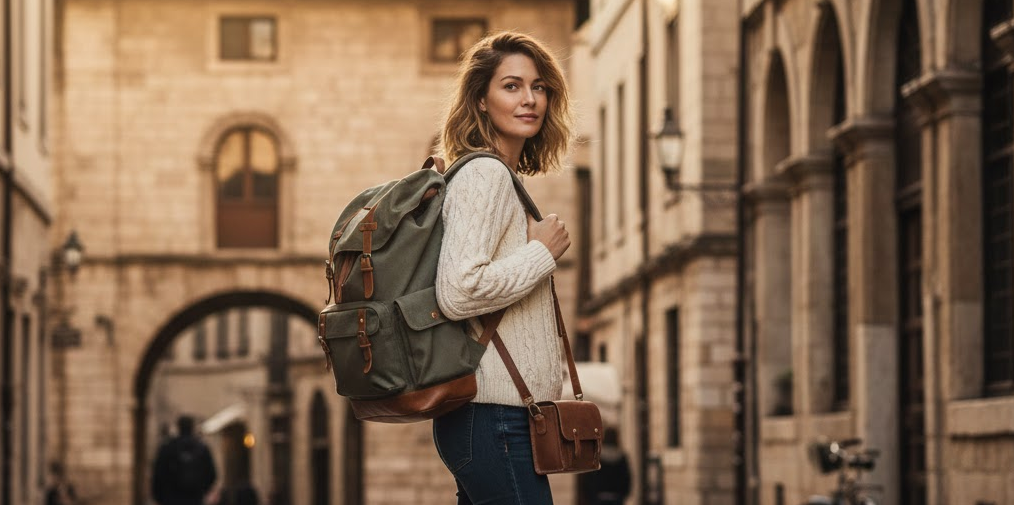
The Silent Language of the Bag: More Than Just an Accessory
For Western women, the handbag is far more than a mere vessel for essentials. It is an extension of personal style, a confidante holding secrets, a statement of identity, and a functional necessity, all rolled into one. From the casual tote accompanying a run to the market to the exquisite clutch gracing a formal event, each bag tells a story, often without a single word being spoken. Understanding the multifaceted role of the handbag is to understand a significant aspect of modern feminine expression.
A Chronicle of Evolution: From Utility to Icon
The journey of the bag reflects the evolving lives of women themselves. In earlier eras, women’s garments often incorporated pockets, reducing the need for external carrying devices. However, as fashions shifted towards slimmer silhouettes and elaborate textiles, pockets became less practical. This change necessitated the emergence of the separate bag. Initially, these were often small, decorative pouches, reflecting the limited public roles women often held.
As women gained greater independence and entered public life – the workplace, social gatherings, and travel – the demand for more robust and versatile bags grew. The early twentieth century saw the rise of larger handbags designed to carry practical items for women who were no longer confined solely to the home. Each decade brought new innovations in design, material, and function, mirroring changes in social norms, fashion trends, and the ever-expanding needs of the modern woman. Today, the sheer variety available is a testament to this rich history and ongoing adaptation.
The Psychology of Choice: What a Bag Reveals
The bag a woman chooses on any given day can be a fascinating insight into her mood, her intentions, and her carefully curated persona. A capacious tote might signal a busy day ahead, filled with errands, work documents, perhaps even a gym kit. Its practical nature speaks of efficiency and preparedness. Conversely, a minimalist crossbody bag suggests a lighter load, perhaps a leisurely afternoon, a quick outing, or a preference for unencumbered movement.
The aesthetic of the bag also speaks volumes. A structured, sleek leather bag might project professionalism and confidence in a corporate setting. A bohemian, fringed hobo bag could convey a relaxed, artistic sensibility. A brightly colored, whimsical clutch might express a playful and adventurous spirit. These choices are rarely accidental; they are often subconscious reflections of how a woman wishes to present herself to the world at that moment. The bag acts as a visual anchor, reinforcing her chosen narrative.
Functionality: Beyond the Surface
While aesthetics are crucial, the primary function of a bag remains its ability to carry and organize our belongings. The internal architecture of a bag—the presence or absence of pockets, compartments, and closures—is a critical design element. A woman’s daily essentials might include a phone, wallet, keys, cosmetics, a planner, perhaps a small book, and innumerable other small necessities. A well-designed bag anticipates these needs, offering intelligent storage solutions that make retrieving items seamless rather than a frustrating dig.
Security is another vital functional aspect. Zippers, magnetic clasps, and buckles all serve to keep belongings safe and contained. For travelers, features like anti-theft designs or specialized compartments for passports and tickets become paramount. The material choice also plays into functionality: a weather-resistant fabric protects contents from the elements, while a sturdy construction ensures the bag can withstand daily wear and tear.
The Material Story: Texture, Durability, and Ethics
The materials used in bag construction are integral to its appeal, durability, and often, its ethical footprint. Leather, for centuries, has been a dominant material, valued for its strength, longevity, and ability to develop a unique patina over time. It signifies tradition and often luxury. However, the rise of conscious consumerism has brought forth a diverse array of alternatives.
Vegan leather, crafted from various plant-based or synthetic materials, offers an ethical option for those who eschew animal products without compromising on style. Canvas and nylon provide lightweight, durable, and often more casual alternatives, frequently chosen for their practicality and ease of care. Exotic materials, from textured fabrics to innovative composites, continually push the boundaries of design. The choice of material often reflects a woman’s values, her lifestyle, and her commitment to certain production ethics.
The Investment Piece: Value Beyond Price
For many, a handbag is not just an expense but an investment. This is not solely about monetary value, though some pieces certainly appreciate over time. More profoundly, it is an investment in quality, craftsmanship, and enduring style. A well-chosen, high-quality bag can last for years, even decades, becoming a cherished companion through various life stages. It resists the fleeting whims of fast fashion, instead offering a timeless elegance that transcends seasons.
The investment also lies in the emotional connection. A particular bag might be associated with a significant life event—a career milestone, a special trip, or a gift from a loved one. It absorbs memories, becoming a tangible reminder of experiences and moments. Caring for such a piece, having it repaired, or even passing it down, reinforces its status as something more precious than mere accessory.
The Cultural Impact: Trends and Timelessness
Bags are inextricably linked to the broader landscape of fashion and culture. Runway shows introduce new silhouettes, colors, and embellishments, influencing what becomes desirable. Social media amplifies these trends, democratizing style and allowing diverse interpretations to flourish. Yet, amidst the ebb and flow of fleeting fashions, certain bag styles achieve timeless status. The classic shoulder bag, the versatile tote, and the elegant clutch are archetypes that reappear season after season, subtly updated but fundamentally enduring.
This balance between trend and timelessness is what makes the world of handbags so dynamic. It allows for both bold experimentation and quiet adherence to classic beauty. A woman can embrace a vibrant, on-trend piece to express her current mood, or she can rely on a beautifully crafted, understated bag that she knows will always be appropriate.
Conclusion: A Personal Narrative Carried with Pride
The handbag, then, is truly a microcosm of the female experience in the Western world. It’s a repository of practicality, a canvas for self-expression, a symbol of independence, and a testament to craftsmanship. It navigates the complexities of daily life, adapting to diverse roles and demands, all while maintaining its unique aesthetic appeal.
Each woman’s relationship with her bags is deeply personal, reflecting her journey, her tastes, and her aspirations. Whether she prefers a minimalist design that blends seamlessly into her ensemble or a bold statement piece that draws every eye, her choice is a deliberate act of self-definition. The next time you see a woman with her bag, remember that you are witnessing more than just an accessory; you are observing a portable narrative, carried with purpose and pride.